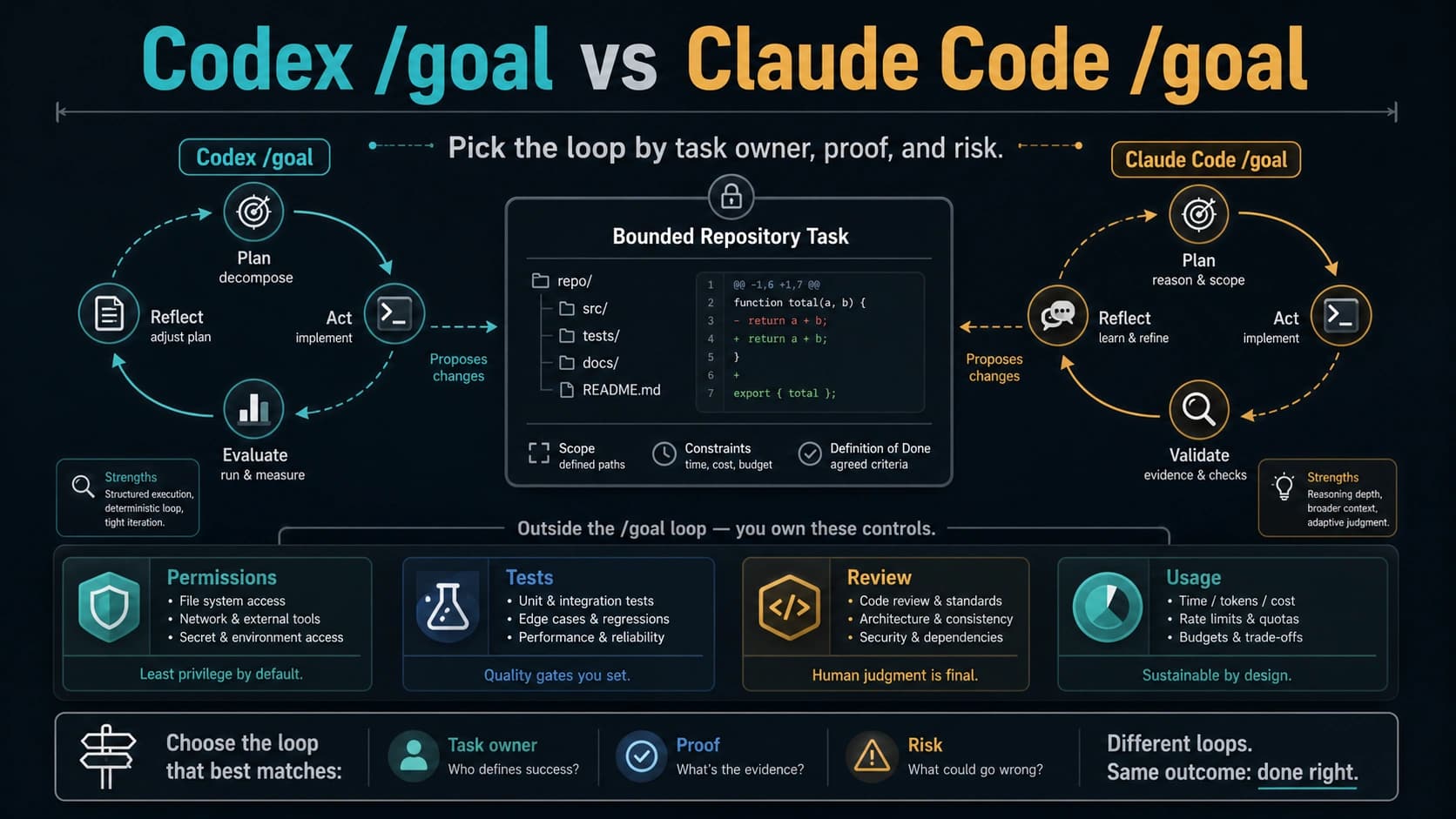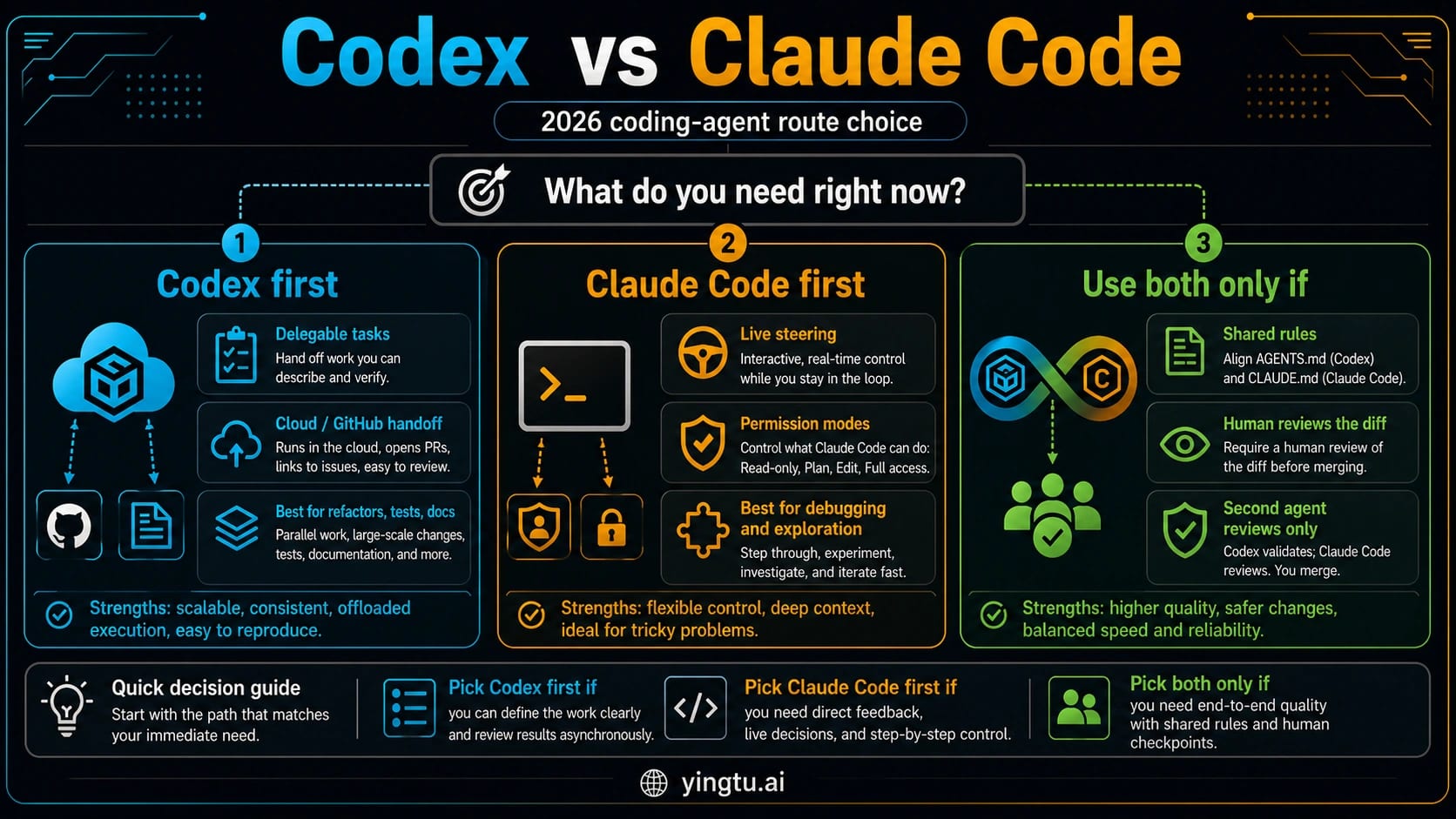
Use Codex first when you want reviewable delegation: scoped tasks, cloud or GitHub handoff, code review, and AGENTS.md-driven repo rules. Use Claude Code first when you want to steer the work live in a terminal or IDE, tune permission modes, and keep CLAUDE.md context close to the session. Use both only when one agent owns implementation, a human reviews the diff, and the second agent reviews or polishes after that checkpoint.
As of April 25, 2026, the old shortcut that treats Codex as "the cloud one" and Claude Code as "the local one" is too loose. Codex now has local app, CLI, IDE, and cloud task routes; Claude Code now spans terminal, IDE, desktop, web, and automation surfaces. The useful question is which operating route fits the work in front of you.
Start with Codex when the task can be written down, delegated, tested, and reviewed as a diff. Start with Claude Code when the requirements are still moving and you need a tight feedback loop. Use both only when you can keep the repo instructions aligned and insert a human checkpoint between implementation and review.
Quick Answer: Pick The Operating Route First
The fastest way to compare Codex and Claude Code is to stop asking which model is "better" and ask how the work should move through the repo.
| Use case | Better first route | Why |
|---|---|---|
| Well-scoped feature, refactor, test fix, documentation sweep | Codex | The work can be delegated, checked, and reviewed as a diff. |
| Ambiguous bug, design spike, unfamiliar codebase, exploratory refactor | Claude Code | You can steer the session live and adjust after every finding. |
| Team code review, GitHub PR review, cloud task queue, async handoff | Codex | The official Codex cloud workflow is built around remote tasks, diffs, and PR-style review. |
| Sensitive local repo work that needs step-by-step approval | Claude Code | Permission modes and local terminal/IDE flow keep the human close to every action. |
| Heavy sprint where quality matters more than token economy | Both, with guardrails | One agent can implement and the other can review, but only with shared instructions and a human checkpoint. |
That route-first view matters because both products now cover more than one surface. OpenAI's Codex quickstart documents app, IDE, CLI, and cloud entry points. Anthropic's Claude Code overview now presents Claude Code across terminal, IDE, desktop, web, GitHub, CI/CD, Slack, and scheduled-task workflows. A simple local-versus-cloud chart no longer describes either product well enough.
What Changed Since Older Codex vs Claude Code Comparisons
Older comparisons often made the choice feel simple: Claude Code ran beside you locally, while Codex took tasks in the cloud. That framing still contains a useful instinct, but it now misses too much.
Codex can run locally through the app, CLI, and IDE extension, and it can also run cloud tasks. In the cloud path, OpenAI says Codex checks out the repository, runs setup, applies internet settings, works through terminal/edit/check loops, reads AGENTS.md when present, and returns an answer with a diff or PR option through the cloud environment workflow. For team rollouts, OpenAI also separates Codex local from Codex cloud in its enterprise admin setup, because those two routes carry different governance and repository-access implications.
Claude Code also moved beyond the old "terminal only" mental model. The local terminal and IDE experience still matters most for live steering, but Anthropic now describes additional surfaces and automation routes. The practical consequence is that the first decision is not location alone. It is how much live steering you need, whether the work can be delegated, where repo access happens, who approves actions, and which billing route pays for the session.
The April 2026 decision therefore starts with three questions:
- Can the work be specified clearly enough for queue-and-review?
- Does the repo risk require a human to approve actions as they happen?
- Are you using a subscription route or an API-key route?
If the first answer is yes, Codex usually gets the first attempt. If the second answer is yes, Claude Code usually gets the first attempt. If the third answer is unclear, fix the billing route before running a long session.
Workflow Boundary: Queue-And-Review vs Live Steering
Codex is strongest when the task can survive a handoff. A good Codex task has a clear branch, acceptance criteria, test or lint commands, and enough repo instructions for the agent to work without constant correction. That makes it a good fit for parallel refactors, test additions, documentation updates, dependency cleanup, repetitive bug fixes, and PR review.
Claude Code is strongest when the work changes shape as soon as the first command returns. Debugging a flaky test, reading an unfamiliar subsystem, deciding between two implementation approaches, or untangling a vague feature request often benefits from live steering. You can ask it to inspect, pause, plan, adjust, and try again while you keep the mental model in the loop.
The difference shows up most clearly in repo state. If your local tree has uncommitted work that only exists on your machine, a local Claude Code session can inspect that state directly. A Codex cloud task needs the relevant state to be available through the repository route it can check out. Codex local can work from the local project directory, but once you choose the cloud task path, the handoff needs a clean, reviewable boundary.
Use this rule when the choice feels close:
If you can write the work as a ticket and review the diff later, start with Codex. If you need to decide the work while watching the agent discover the codebase, start with Claude Code.
Trust, Permissions, And Repo Access
Trust is not one setting. It changes by surface.
Codex cloud tasks run in a hosted container. That is useful when you want an agent to take a scoped task, run setup, apply internet controls, edit files, run checks, and return a diff. It is also a governance decision: repository access, internet settings, setup scripts, and workspace controls matter. Codex local sessions use your local project directory instead, so the trust boundary shifts back to your machine and local sandbox.
Claude Code local sessions keep the steering loop closer to the developer. Anthropic's permission modes make that explicit: default mode asks before actions, plan mode separates planning from editing, accept-edits reduces edit prompts, auto mode allows a limited set of autonomous actions when requirements are met, and bypass-style modes belong only in isolated environments. That is a different feel from sending a scoped task to a remote queue and reviewing the finished diff.
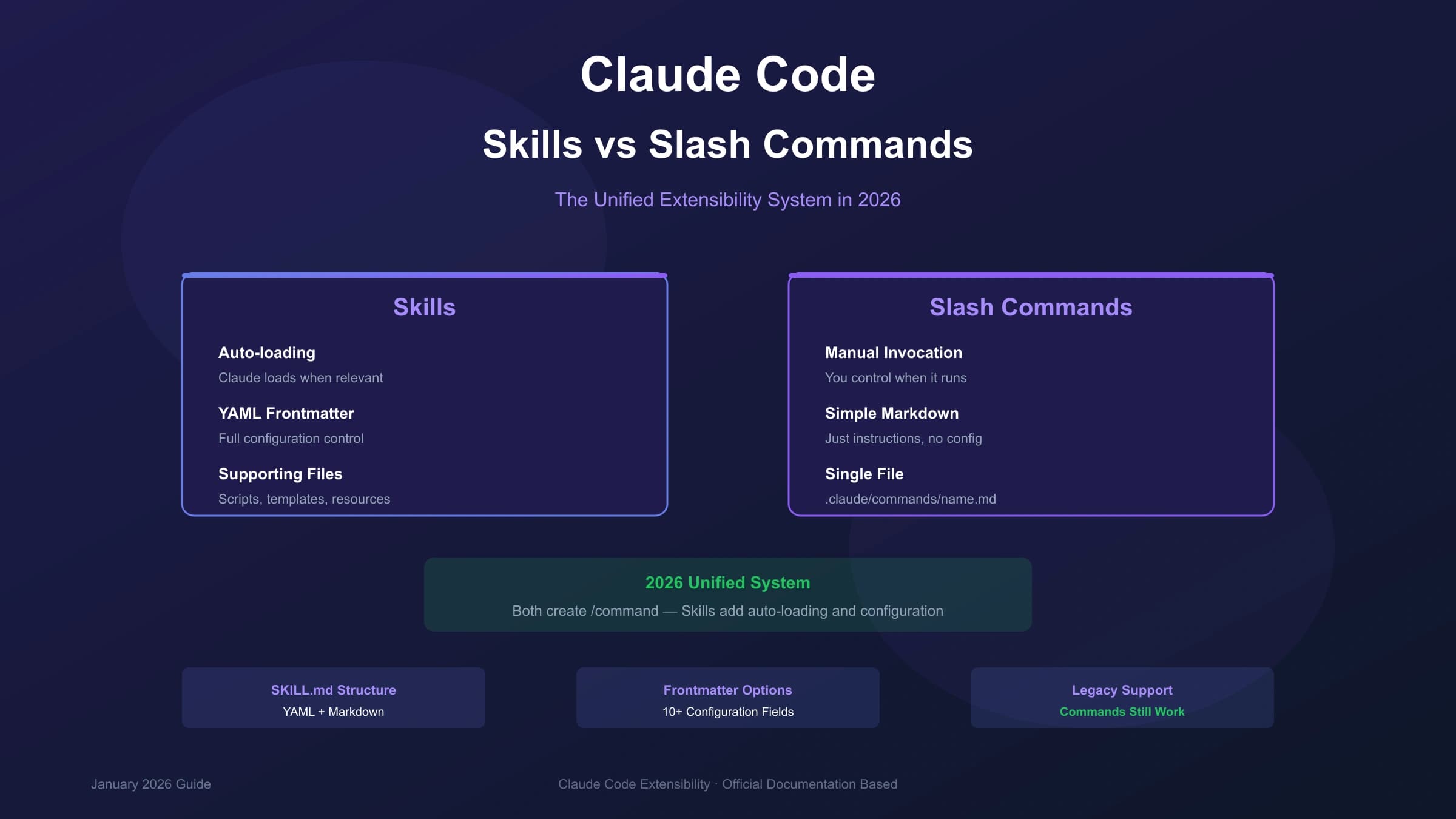
Instruction files are another practical boundary. Codex cloud and local workflows can use AGENTS.md as the repo instruction contract. Claude Code uses memory and CLAUDE.md; CLAUDE.md can describe conventions, preferred commands, and project context, but it is still context for the agent rather than a hard enforcement layer. When the same repo uses both tools, keep the core rules in one place and import or mirror them deliberately. Do not let AGENTS.md and CLAUDE.md silently drift.
The safest shared rule is simple: no agent merges its own work. Review the diff, run the checks, and only then decide whether another agent should review or polish the change.
Pricing And Limits: Compare The Route, Not Only The Price
The pricing question is not just "which one is cheaper?" It is "which account, plan, or API key is actually paying for this run?"
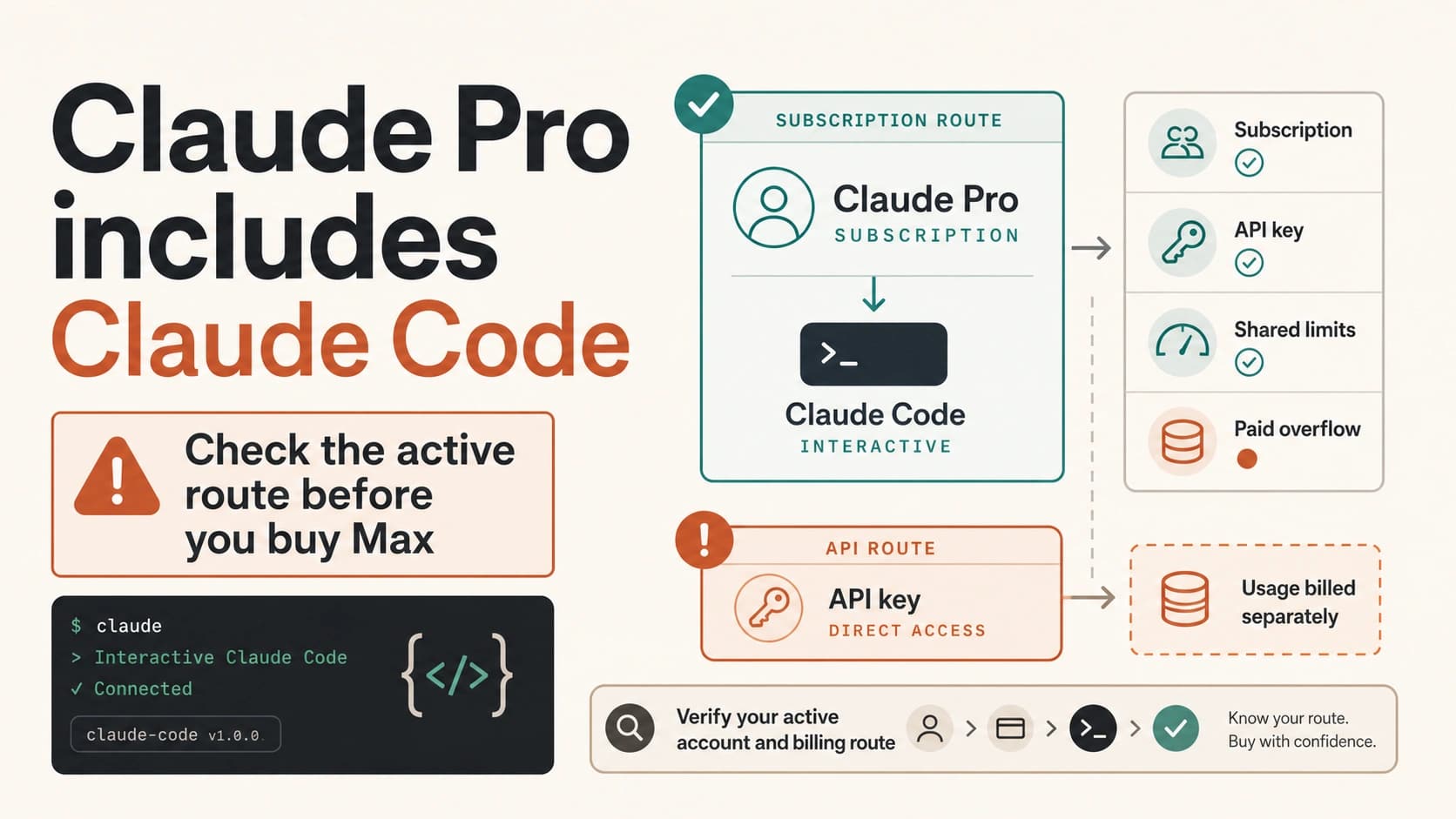
For Codex, OpenAI's Codex pricing page separates plan access from API-key access. Plan routes can include Codex web, CLI, IDE, iOS, cloud integrations, and model access depending on the plan. The API-key route is different: it is useful for CLI, SDK, and IDE usage, but OpenAI states that API-key access does not include cloud-based Codex features such as GitHub code review or Slack integration. As of April 25, 2026, exact model availability, usage windows, credits, and temporary plan multipliers should be checked on the official pricing page before long-running work.
For Claude Code, Anthropic's cost documentation distinguishes API billing from subscription allocation. Anthropic's support page for using Claude Code with Pro or Max says Claude Code usage shares allocation with other Claude usage under those plans. Anthropic also documents that an ANTHROPIC_API_KEY environment variable can take priority over subscription login in API key environment variable handling. That one detail can explain many surprise invoices: the tool may be using API pay-as-you-go even when the user believes they are on a subscription route.
Use this checklist before a heavy session:
- In Codex, check whether the work needs cloud features or only local CLI/IDE usage.
- In Codex CLI, use the current status or usage dashboard rather than guessing remaining limits.
- In Claude Code, run
/statuswhen using subscription allocation and/costwhen monitoring API usage where applicable. - Check whether
ANTHROPIC_API_KEYor another environment variable is changing the active billing path. - Avoid running both agents on the same broad task until you know which account pays for each pass.
The cheaper tool is often the one whose route matches the job. A cheap local session becomes expensive if it burns hours on a task that could have been delegated and reviewed. A generous cloud route becomes risky if the work depends on local, uncommitted state that never reached the environment.
Which Tool Fits Which Developer Or Team?
For a solo developer, Codex is the better first route when the backlog is clear and the work can be split into small, verifiable tasks. It is especially useful for "do this and show me the diff" work: update tests, migrate repeated patterns, add a helper, review a PR, or clean up documentation. Claude Code is the better first route when the task starts with investigation: understand this codebase, reproduce the bug, compare implementation options, or explain why a test fails.
For a technical founder or product engineer, the split is similar but the cost of context switching matters more. Claude Code can be the faster thinking partner when the product shape is still changing. Codex can be the better throughput engine once the decision is stable and the work can be queued.
For a team, Codex becomes more attractive when review, GitHub handoff, workspace controls, and repeatable repo instructions matter. A team can turn a well-written AGENTS.md into a shared operating contract. Claude Code remains valuable for local debugging, pair-programming style sessions, and focused work where permission modes reduce risk.
For CI, release, and review workflows, Codex usually has the clearer default path because the work is already shaped as reviewable changes. For sensitive local code, security-heavy repositories, or messy uncommitted state, Claude Code local sessions may be the safer first pass because the developer can keep approval close and avoid shipping repo context to a hosted task route prematurely.
How To Use Codex And Claude Code Together Without Drift
Using both tools can improve quality, but only when each tool has a job. It fails when both agents rewrite the same unclear task back-to-back.
A safe dual-agent pattern looks like this:
- Put repo rules in
AGENTS.md, and mirror or import the same essentials intoCLAUDE.md. - Give one agent ownership of implementation.
- Stop after the first diff.
- Review the diff yourself: intent, tests, security, secrets, and changed files.
- Give the second agent a review-only prompt or a tightly scoped polish prompt.
- Merge only after a final human check.
The order can go either way. Codex can implement a scoped change and Claude Code can review edge cases interactively. Claude Code can explore and draft the approach, then Codex can implement or review the repeatable change. The important part is the handoff boundary. One agent should not blindly continue the other's edits without a human checkpoint.
Avoid dual-agent work when the task has no acceptance criteria, the repo rules disagree, or the first agent already made broad architectural changes you have not read. In those cases, adding a second agent increases surface area before it increases confidence.
FAQ
Is Codex better than Claude Code?
Codex is better when the work can be delegated, reviewed, and merged as a diff. Claude Code is better when you need live steering, exploratory debugging, or tight control over each action. A universal winner claim is usually less useful than matching the tool to the workflow.
Is Claude Code still local-only?
No. Claude Code still has a strong local terminal and IDE identity, but Anthropic now presents broader desktop, web, automation, CI/CD, and collaboration surfaces. Keep local terminal/IDE sessions separate from hosted or integration surfaces when thinking about trust and data boundaries.
Is Codex only for cloud tasks?
No. Codex has app, IDE, CLI, and cloud routes. Codex cloud tasks are important because they support reviewable remote task execution, but local Codex sessions also exist. The right comparison is local session, cloud task, or API-key route, not "Codex equals cloud."
Is Codex CLI cheaper than Claude Code?
Sometimes, but not as a universal rule. Codex API-key usage, ChatGPT plan usage, Claude subscription allocation, and Anthropic API-key billing are different routes. The safer question is whether the chosen route includes the features you need and whether the session will fit within the current plan limits.
Can Claude Code work with Codex?
Yes, if the handoff is explicit. Use shared repo instructions, keep implementation and review ownership separate, and insert a human diff checkpoint between agents. Do not let both tools freely edit the same unclear task.
What should I use for uncommitted local work?
Use a local session when the agent needs to see local, uncommitted state. Claude Code is often the natural first route for live local steering. Codex local can also work from the project directory, but Codex cloud should receive work that is available through the repository state it can check out.
Should Reddit or benchmark posts decide the choice?
No. Community posts are useful for spotting pain points such as speed, autonomy, cost, and output quality, but product surfaces, billing behavior, permission modes, and cloud/local boundaries should come from official docs. Use benchmarks as a prompt for testing your own workflow, not as the final answer.
Bottom Line
Use Codex when the work can be described, delegated, and reviewed. Use Claude Code when the work needs live steering and permissioned local control. Use both only when the repo instructions match, one agent owns implementation, and a human review checkpoint sits between agent passes.
For a first test, pick one small task that represents your real workflow. Give Codex a scoped queue-and-review job. Give Claude Code an exploratory live-steering job. The better tool is the one that reaches a reviewable, understandable result with fewer hidden assumptions for that kind of work.